What Is Cupping Therapy?
Cupping therapy is an ancient healing practice. It uses special cups placed on the skin to create suction. This method has roots in Chinese, Middle Eastern, and Egyptian cultures. People have used it for thousands of years to treat many health issues. Today, cupping therapy is gaining popularity for pain relief and relaxation. Many clinics now offer cupping therapy in cities around the world.
How Does Cupping Therapy Work?
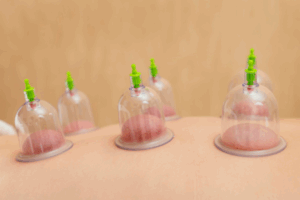
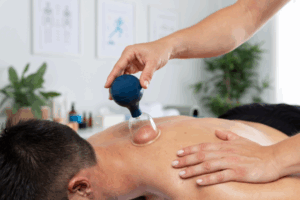
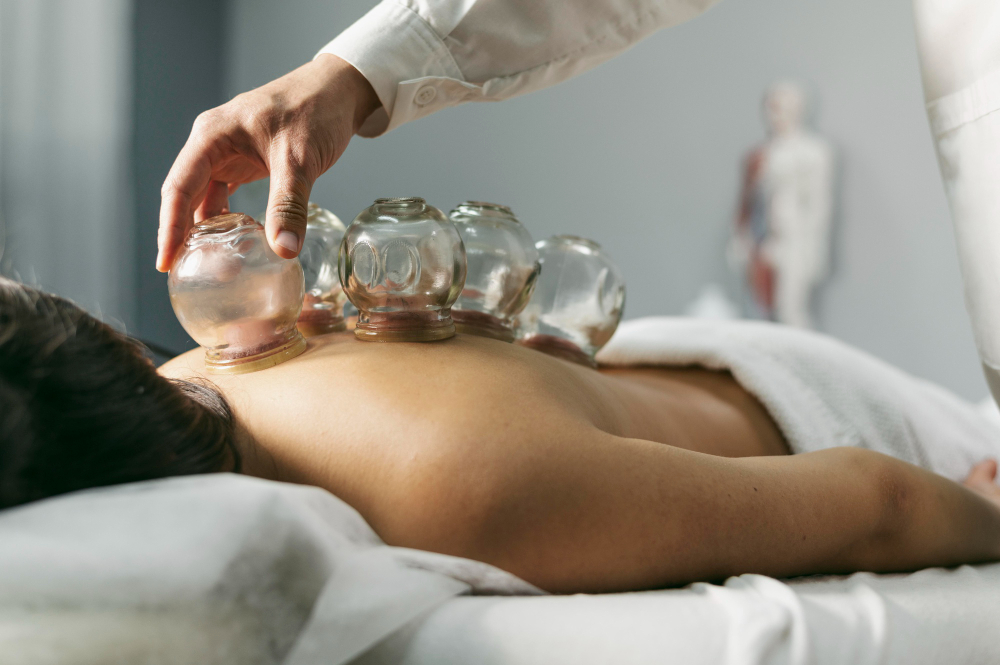
During cupping therapy, a therapist places cups on your skin. The suction pulls the skin and muscles upward. This process may help increase blood flow and reduce muscle tension. There are two main types of cupping:
Most people choose dry cupping because it is less invasive. However, both types aim to improve well-being. Some therapists use glass, bamboo, or silicone cups. The cups may be left in place for five to fifteen minutes.
Benefits of Cupping Therapy
Many people try cupping therapy for pain relief and relaxation. Some studies suggest it may help with certain conditions. According to the National Institutes of Health (NIH) and other sources, possible benefits include:
However, more research is needed to confirm these effects. While some people feel better after cupping therapy, results can vary. Always talk to a healthcare provider before starting any new treatment.
Risks and Side Effects
Although cupping therapy is generally safe when done by a trained professional, it does have some risks. Common side effects include:
In rare cases, there may be burns, infections, or scarring. Wet cupping carries a higher risk of infection. Therefore, it is important to choose a qualified therapist who follows proper hygiene.
Who Should Avoid Cupping Therapy?
Cupping therapy is not suitable for everyone. You should avoid it if you:
Always check with your doctor before trying cupping therapy, especially if you have health concerns.
What to Expect During a Cupping Therapy Session
Preparation
Before your session, your therapist will ask about your health and any concerns. You may need to avoid lotions or oils on the day of treatment.
Procedure
During the session, you will lie down comfortably. The therapist will place cups on your skin, often on your back, shoulders, or legs. The cups create suction, which may feel tight but should not be painful. The cups stay in place for several minutes. Sometimes, the therapist may move the cups gently over your skin.
Aftercare
After the session, you may notice round marks or mild soreness. These usually fade within a week. Drink plenty of water and rest if needed. If you notice signs of infection, such as redness or swelling, contact your doctor right away.
Frequently Asked Questions
Conclusion
Cupping therapy may offer benefits like pain relief and relaxation. However, it is not right for everyone. Therefore, consult a qualified physiotherapist or healthcare provider before starting cupping therapy. They can help you decide if it is safe and suitable for your needs.