Introduction
Arthritis is a common condition that causes joint pain and stiffness. Many people think rest is best, but movement and strength training can help manage arthritis pain. In fact, gentle exercise is one of the most effective ways to reduce discomfort and improve daily life. This guide will show you how to manage arthritis pain with movement and strength training, using safe and simple steps.
What Is Arthritis?
Arthritis is a group of conditions that cause swelling and pain in the joints. Joints are places where two bones meet, like your knees or fingers. There are many types of arthritis, but the most common are osteoarthritis and rheumatoid arthritis. Both can make it hard to move and do daily tasks. However, regular movement can help keep your joints flexible and reduce pain.
Why Movement Matters for Arthritis Pain
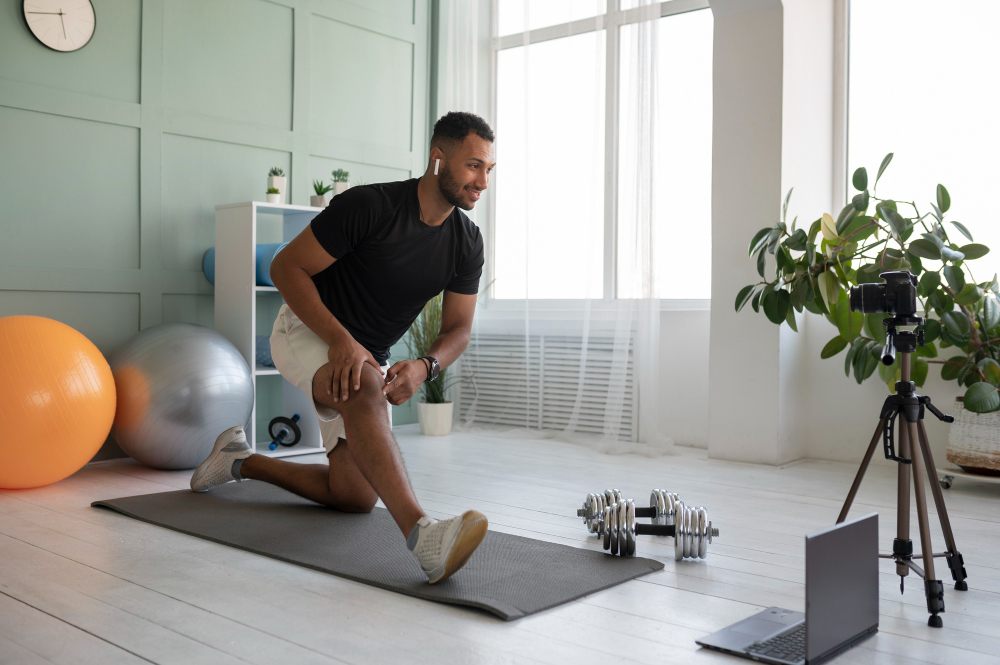
Staying active is important for people with arthritis. When you move your joints, you help keep them healthy. For example, gentle walking or stretching can ease stiffness. Movement also helps your body make fluid that keeps joints smooth. As a result, you may feel less pain and more energy. According to the CDC, regular activity can lower arthritis pain and improve your mood.
Benefits of Strength Training for Arthritis
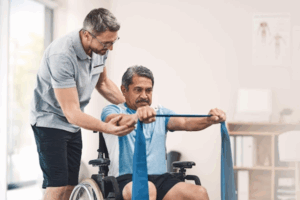
Strength training means using your muscles to make them stronger. This can be done with light weights, resistance bands, or even your own body weight. When your muscles are strong, they support your joints better. This can reduce pain and prevent further damage. In addition, strength training can help you move more easily and lower your risk of falls. Studies show that people with arthritis who do strength training feel less pain and have better joint function.
Safe Movement and Exercise Tips
Before you start any new exercise, talk to your doctor or physiotherapist. They can help you choose safe activities. Here are some tips to keep in mind:
Sample Strength Training Exercises
Here are some easy exercises you can try at home. Always use slow, controlled movements. If you are unsure, ask a professional to show you the right way.
Precautions and When to Seek Help
Even though exercise is helpful, it is important to stay safe. If you notice swelling, redness, or severe pain, stop exercising and rest. Sometimes, arthritis pain can mean something more serious. If your pain does not get better or gets worse, talk to your doctor. Also, if you feel dizzy or have chest pain, seek help right away.
Lifestyle Guidance for Ongoing Pain Management
Managing arthritis pain is not just about exercise. Eating a healthy diet, getting enough sleep, and managing stress are also important. For example, foods rich in omega-3 fatty acids, like fish, can help reduce swelling. Staying at a healthy weight can take pressure off your joints. In addition, using heat or cold packs can give short-term relief. Try to keep a regular routine and stay positive, as this can help you cope better.
Prevention Tips for Arthritis Flare-Ups
Flare-ups are times when arthritis pain suddenly gets worse. To help prevent them:
Conclusion
In summary, movement and strength training are key to managing arthritis pain. With the right approach, you can feel better and stay active. For the best results, consult a physiotherapist or healthcare provider for personalized arthritis pain management advice.