Cupping therapy is an ancient healing practice. It uses special cups placed on the skin to create suction. Many people try cupping therapy for pain relief and muscle relaxation. In physical medicine and rehabilitation, especially physiotherapy, cupping therapy is gaining popularity. But what should you expect from cupping therapy? Let’s explore how it works, its benefits, and what you need to know before trying it.
What is Cupping Therapy?
First, cupping therapy involves placing cups on the skin to create gentle suction. This suction pulls the skin and muscles upward. People have used cupping therapy for thousands of years in many cultures. Today, it is often used in physiotherapy clinics to help with pain, stiffness, and muscle recovery. Some people also use it for relaxation or to improve blood flow.
How Does Cupping Therapy Work?
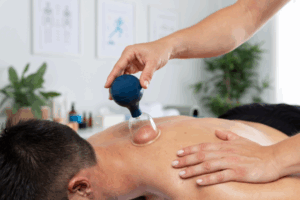
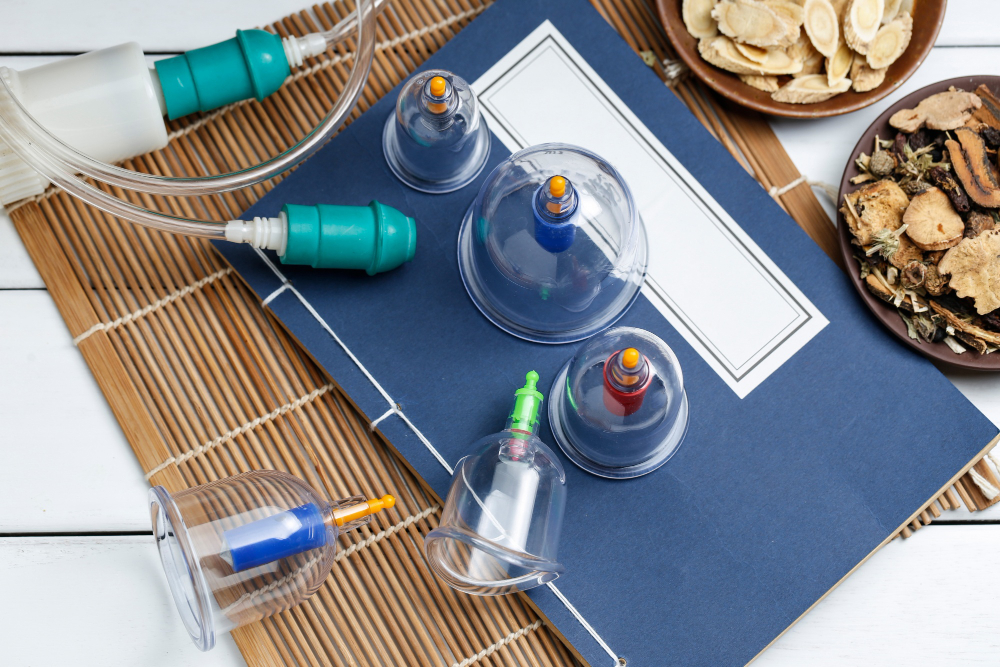
During cupping therapy, a therapist places cups on your skin. The cups may be made of glass, silicone, or plastic. There are two main types of cupping:
Because the suction increases blood flow to the area, it may help muscles relax and reduce pain. Some believe it also helps remove toxins, but more research is needed to prove this.
What to Expect During a Cupping Therapy Session
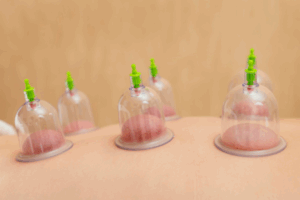
Before your session, your therapist will ask about your health and any pain you feel. Next, you will lie down, and the therapist will place cups on your skin, usually on your back, shoulders, or legs. The cups stay in place for 5 to 15 minutes. You may feel a tight or pulling sensation, but it should not be painful. After the session, you might see round, red marks where the cups were placed. These marks usually fade within a week.
Benefits of Cupping Therapy
Many people try cupping therapy for pain relief and muscle relaxation. According to studies published in peer-reviewed journals, cupping therapy may help with:
However, while some people find relief, more research is needed to fully understand all the cupping therapy benefits. The World Health Organization (WHO) notes that cupping is generally safe when done by trained professionals.
Possible Side Effects and Risks
Although cupping therapy is usually safe, it can have side effects. Common cupping therapy side effects include:
Serious problems are rare, but infections can happen if the skin is not cleaned well. Therefore, always choose a trained and licensed therapist. If you have any concerns, talk to your doctor before trying cupping therapy.
Who Should Avoid Cupping Therapy?
Cupping therapy is not for everyone. You should avoid it if you:
Always check with your healthcare provider before starting any new therapy, including cupping therapy for pain relief.
Tips for a Safe Cupping Experience
To have a safe and positive experience, follow these tips:
If you search for “cupping therapy near me,” read reviews and check the therapist’s credentials before booking a session.
Frequently Asked Questions
In summary, cupping therapy can offer pain relief and relaxation for many people. However, it is important to know what to expect from cupping therapy and to choose a qualified therapist. For the best results, always consult a qualified physiotherapist or healthcare provider before starting cupping therapy for personalized advice.