Cupping therapy is an ancient healing method that uses special cups to create suction on the skin. Many people seek cupping therapy for pain relief, muscle relaxation, and overall wellness. In recent years, more people have become interested in the benefits of cupping therapy. But who should try cupping therapy? Is it safe for everyone? This guide will help you understand if you are the right candidate for cupping therapy and what to expect from a session.
What is Cupping Therapy?
Cupping therapy is a traditional practice that dates back thousands of years. It involves placing cups on the skin to create a gentle suction. This suction may help increase blood flow, reduce muscle tension, and promote healing. Today, cupping therapy is often used in physical medicine, rehabilitation, and physiotherapy clinics. Some people use it to manage pain, while others use it to support general health.
How Does Cupping Therapy Work?
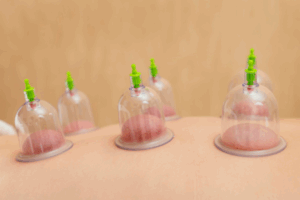
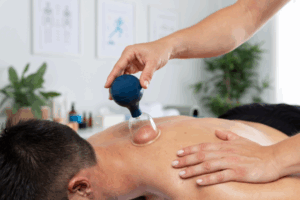
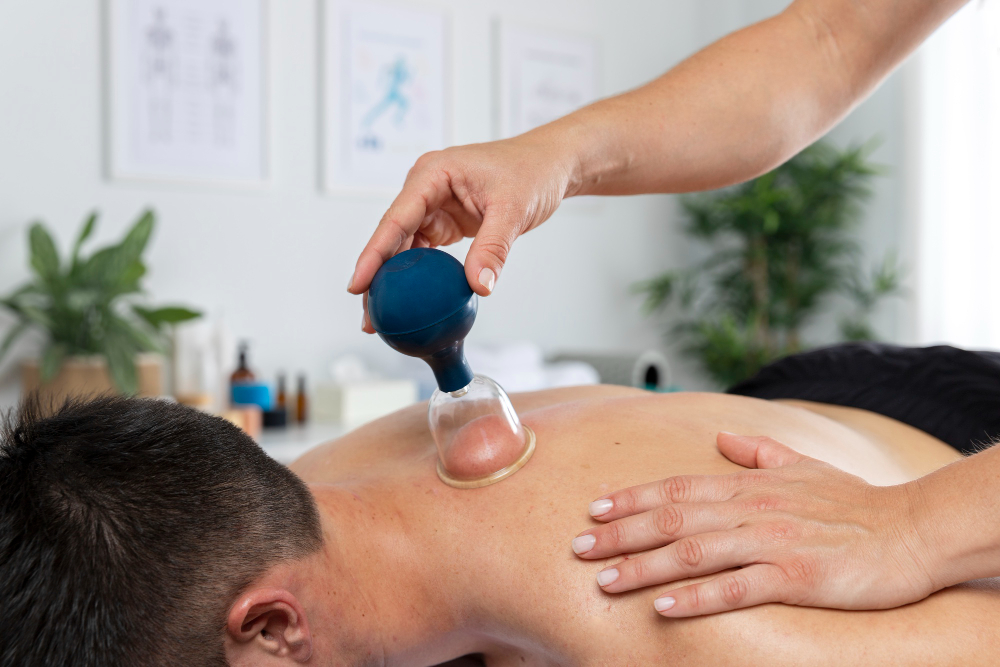
During a cupping therapy session, a trained professional places cups on your skin. The cups can be made of glass, silicone, or plastic. The therapist creates suction by heating the air inside the cup or using a pump. As a result, the skin and muscles are gently pulled upward. This process may help improve blood flow and loosen tight muscles. Many people say they feel relaxed after a session. However, it is important to have cupping therapy done by a licensed professional.
Who is the Right Candidate for Cupping Therapy?
Not everyone is a good fit for cupping therapy. Still, many people can benefit from this treatment. Below are some groups who may be ideal candidates, as well as those who should avoid it.
Ideal Candidates
Who Should Avoid Cupping Therapy?
Always talk to your healthcare provider before starting cupping therapy. They can help you decide if it is safe for your health needs.
Benefits and Potential Risks
Cupping therapy offers several possible benefits. For example, many people report less pain and better movement after treatment. Some studies suggest cupping therapy may help with:
However, there are also some risks. For instance, you may notice mild bruising or skin marks where the cups were placed. These usually fade within a week. Rarely, people may have skin irritation or infection. According to the World Health Organization (WHO), cupping therapy is safe when performed by trained professionals. Still, it is not a cure for serious medical conditions.
How to Prepare for a Cupping Therapy Session
Before your session, it helps to follow a few simple steps. First, wear loose, comfortable clothing. Next, avoid heavy meals right before your appointment. Also, drink plenty of water to stay hydrated. If you take any medicines or have health concerns, let your therapist know. This way, they can adjust the treatment to fit your needs.
What to Expect During and After Treatment
During cupping therapy, you will lie down in a relaxed position. The therapist will place cups on your skin, usually on your back, shoulders, or legs. You may feel a gentle pulling or tightness, but it should not hurt. The cups stay in place for 5 to 15 minutes. After the session, you might see round marks or mild bruises. These are normal and fade in a few days. Many people feel relaxed and notice less pain after treatment. However, if you feel dizzy or unwell, tell your therapist right away.
Frequently Asked Questions
In summary, cupping therapy can help many people with pain and stress. However, it is not right for everyone. Always talk to your doctor or a licensed physiotherapist before starting any new treatment. They can help you decide if cupping therapy is right for you.